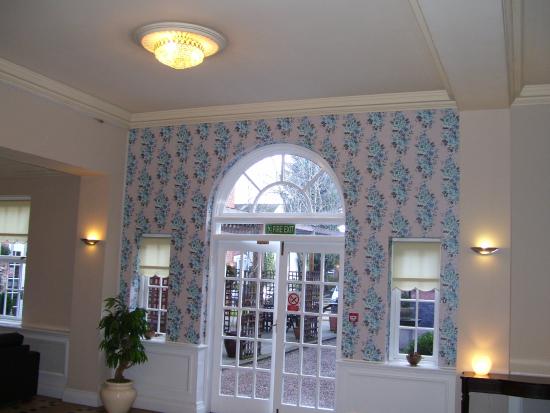
The Fownes Hotel harbours a reputation for unexplained disturbances that staff members have attributed to poltergeist activity. The phenomena first came to wider attention through accounts provided by former cleaning staff, who reported a consistent pattern of interference with their work. Rooms that had been thoroughly prepared for guests, with beds made and everything in its proper place, were discovered in states of minor disarray when staff returned. The disturbances were not dramatic, but they were persistent and difficult to explain through conventional means.
The activity extended beyond physical displacement of objects. Electrical equipment within guest rooms demonstrated a tendency to activate without human intervention. Television sets, definitively switched off by cleaning staff, were later found operating. Lights followed a similar pattern, turning on in rooms that had been left in darkness. These incidents occurred with sufficient regularity that staff began to notice the pattern. The phenomena did not appear confined to a single room or floor, suggesting whatever presence existed within the building was not tied to one specific location.
The nature of the disturbances, characterised by object movement and electrical interference, fits the classic profile of poltergeist activity rather than traditional haunting. Poltergeist cases typically involve physical manipulation of the environment rather than visual apparitions. At the Fownes Hotel, no ghost has been seen. There are no reports of figures in period dress or transparent forms drifting through corridors. The activity remains firmly in the realm of the physical, affecting objects and electrical systems rather than manifesting as a visible presence. This distinction is significant, as it suggests a different category of paranormal phenomenon from the typical haunted hotel experience.
The accounts from the Fownes Hotel come primarily from cleaning staff who worked at the property over various periods. Their testimonies share common elements, creating a picture of persistent, low-level disturbance that defies easy explanation.
One former staff member described the experience of returning to a room they had prepared only minutes earlier. The bed, which had been made with fresh linens and smoothed to hotel standards, showed signs of disturbance. Pillows had shifted. The precisely tucked sheets had been pulled slightly loose. Nothing was dramatically out of place, but the room no longer matched the state in which it had been left. This occurred in rooms that had remained locked, with no guest access during the intervening period.
The electrical phenomena proved equally puzzling. Cleaning staff developed the habit of double-checking that televisions were switched off before leaving rooms. Despite this precaution, televisions were discovered operating when staff returned or when guests checked in. The sets had not been left on standby but fully powered down. The same pattern applied to room lights. Staff would leave a room in darkness, return to find lights blazing. The timing varied, and the rooms affected did not follow an obvious pattern.
What distinguishes these accounts is their matter-of-fact tone. The staff members reporting these incidents were not seeking attention or constructing dramatic narratives. They simply noted anomalies in their daily work that accumulated over time into a pattern too consistent to dismiss. The activity never escalated to anything threatening or destructive. Objects moved; devices activated. The disturbances remained within these parameters.
No guest accounts have been formally documented, though this does not necessarily indicate guests experienced nothing unusual. Hotels often discourage the circulation of ghost stories for commercial reasons, and guests may not report strange occurrences unless directly asked. The staff accounts remain the primary evidence for paranormal activity at the Fownes Hotel, providing a glimpse into unexplained phenomena that apparently continues within the converted factory walls.